
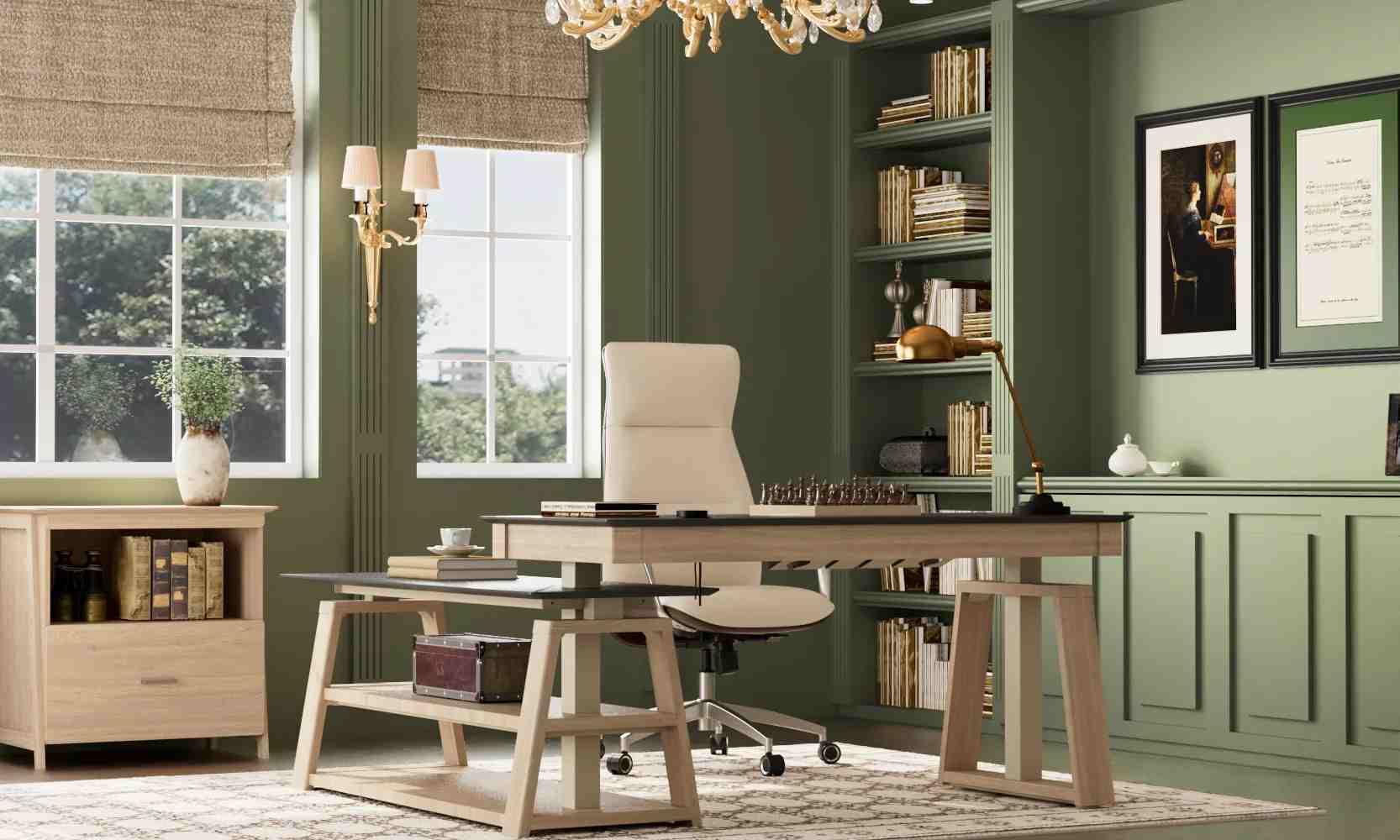
A well‑designed Study Room Setup can dramatically improve your focus, productivity, and learning outcomes. Whether you are a student preparing for exams, a remote worker, or a lifelong learner, the physical environment in which you study profoundly impacts your ability to absorb information and stay motivated. In this comprehensive guide, we explore everything you need to create an efficient, comfortable, and inspiring study space.
Why Your Study Room Setup Matters
A study space is more than just a desk and a chair. It is a personalized environment that supports your cognitive processes, minimizes distractions, and enhances concentration. Scientific research suggests that organization and ergonomics influence productivity, memory retention, and mental wellbeing. A thoughtfully curated study setup can help you maintain consistent study habits and reduce stress.
Search engines and readers alike value content that answers common questions such as:
- What are the essential elements of a study room setup?
- How should a study space be arranged for maximum productivity?
- What furniture and accessories are best for studying?
This guide addresses all of these topics in detail.
Choosing the Right Location
The first step in crafting your Study Room Setup is selecting the optimal location. Ideally, your study area should be:
- Quiet and low‑traffic
- Well‑lit with natural light
- Free from distractions
- Easy to maintain and organize
If you have a spare room, convert it into a dedicated study space. Otherwise, use a quiet corner of your bedroom, living room, or office. The key is to designate one specific zone exclusively for learning and work.
Ergonomic Furniture: The Foundation of Comfort
Comfort and posture are critical when spending long hours studying. Invest in ergonomic furniture that supports your body and reduces fatigue.
Study Desks
A good desk should have enough surface area for your computer, books, and study materials without feeling cluttered. Popular options include:
- IKEA desks such as the MALM series, which offer simple, modern designs
- Herman Miller standing desks that allow flexibility between sitting and standing
- Adjustable height desks to support different activities
When choosing a desk, consider the height relative to your chair and body size. Your arms should rest comfortably at a 90‑degree angle when typing.
Desk Chairs
An ergonomic chair is one of the most important investments in your study setup. Features to look for include:
- Lumbar support
- Adjustable seat height
- Breathable fabric or mesh
- Swivel base for mobility
Brands like Steelcase offer highly rated ergonomic chairs designed for long study or work sessions.
Lighting: Illuminate Your Focus
Proper lighting reduces eye strain and enhances alertness. Ideally, your study space should make use of natural daylight. Position your desk near a window to benefit from natural light without glare on your screen.
For artificial lighting, consider:
- A desk lamp with adjustable brightness and color temperature
- LED lights that reduce flicker and eye fatigue
- Warm lighting for relaxed reading, cool lighting for sustained focus
The goal is to maintain consistent and comfortable illumination throughout your study session.
Organization and Storage
A cluttered study space leads to a cluttered mind. Use smart storage solutions to keep your supplies orderly and accessible.
Shelving and Storage Units
Open shelves and bookcases help you organize books, notebooks, and reference materials. Some options include:
- Wayfair modular shelves
- Cube organizers for storing bins, baskets, and study materials
Label folders and containers for easy retrieval. Sort your supplies into categories such as stationery, textbooks, and digital accessories.
Drawer Organizers
Desk drawers can quickly become messy. Use organizers to separate pens, sticky notes, cables, and other small items. This saves time and reduces interruptions during study sessions.
Technology and Tools for Your Study Room Setup
Technology plays a central role in modern studying. Choose devices and tools that enhance your workflow.
Computers and Tablets
Whether you use a laptop or desktop computer, ensure it meets your academic or professional needs. Tablets with stylus support can be great for taking notes or sketching diagrams.
Monitors
Dual monitors or large displays can boost productivity by providing extra screen real estate for research, coding, or writing projects.
Essential Accessories
Some useful technological accessories include:
- Wireless keyboard and mouse for a clean desk surface
- Noise‑canceling headphones for focused study sessions
- Cable organizers to minimize clutter
Sound Control: Create an Acoustically Friendly Space
Noise can significantly disrupt focus. If your study area is located in a noisy environment, consider sound‑controlling solutions:
- Thick curtains to dampen outside noise
- Rugs or carpets to absorb sound
- Noise‑canceling headphones or white noise machines
Maintaining a peaceful acoustic environment supports longer and deeper concentration levels.
Personalization Without Distraction
Your study room should reflect your personality without becoming distracting. Use aesthetic elements that stimulate focus and calmness.
Wall Decor
Hang motivational quotes, educational posters, or a world map. These can inspire you without drawing attention away from your tasks.
Plants
Indoor plants such as succulents or small potted greens improve air quality and bring a sense of calm to your space.
Color Psychology
Choose wall colors and decoration themes based on color psychology:
- Blue and green tones are associated with focus and relaxation
- Neutral colors reduce visual clutter and create a sense of stability
Avoid overly bright or flashy colors that may distract you.
Time Management Tools
A proper study setup includes tools to manage your time effectively.
Clocks and Timers
A wall clock or digital timer helps you break your study sessions into focused intervals. The Pomodoro Technique, for example, uses short bursts of intense focus followed by brief breaks to enhance productivity.
Planner and Calendars
Use a desk calendar or digital planner to schedule tasks, set deadlines, and track progress. Visualizing your study plan helps maintain accountability.
Healthy Habits for Better Study Sessions
A well‑designed study room encourages positive habits. Maintain routines that support your mental and physical wellbeing:
- Take short breaks every hour
- Stretch regularly to avoid stiffness
- Stay hydrated with water on your desk
- Maintain good posture to avoid strain
Regular breaks and healthy practices improve retention and reduce burnout.
Budget‑Friendly Ideas
You don’t need to spend a fortune to build a functional study setup. Here are budget‑friendly options:
- Repurpose existing furniture
- Use DIY organizers made from recycled materials
- Shop second‑hand desks or chairs
Focus on comfort and functionality rather than trendiness.
Common Mistakes to Avoid
When designing your study setup, avoid these pitfalls:
- Placing your desk in high‑traffic or distracting areas
- Ignoring ergonomic comfort
- Letting clutter accumulate
- Overloading your space with unnecessary gadgets
A simple, clean, and organized room is often the most effective.
Conclusion: Creating Your Ideal Study Room Setup
A thoughtful study room setup can transform the way you learn, work, and achieve goals. From ergonomic furniture like Herman Miller chairs to well‑managed lighting, storage, and personalization, each component plays a role in maximizing your productivity.
Invest time in planning your space, and tailor it to your unique needs and preferences. With an optimized environment, consistent habits, and the right tools, you can unlock your full potential.